Notes92 Where the '90s Never Stopped Playing

Notes92

Where the '90s Never Stopped Playing

Latest Articles

Loud, Broken, and Completely Understood: Why '90s Grunge and Hip-Hop Spoke Teenage Fluently
Music

Loud, Broken, and Completely Understood: Why '90s Grunge and Hip-Hop Spoke Teenage Fluently

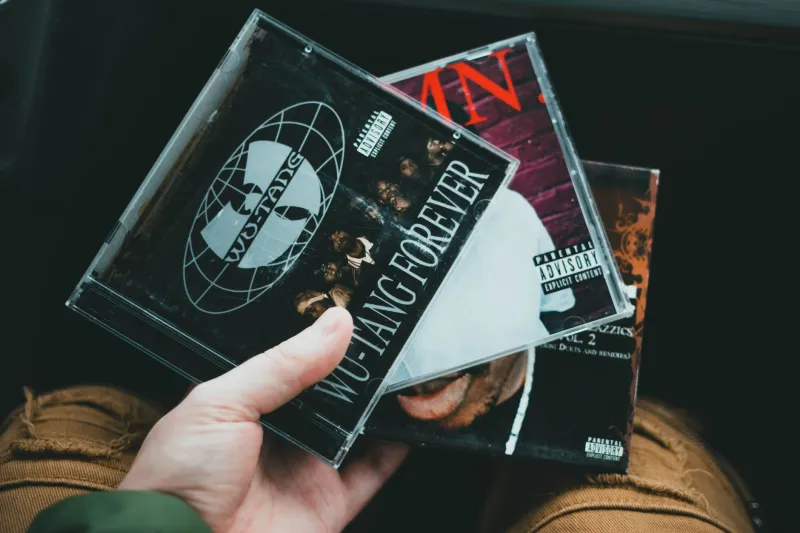
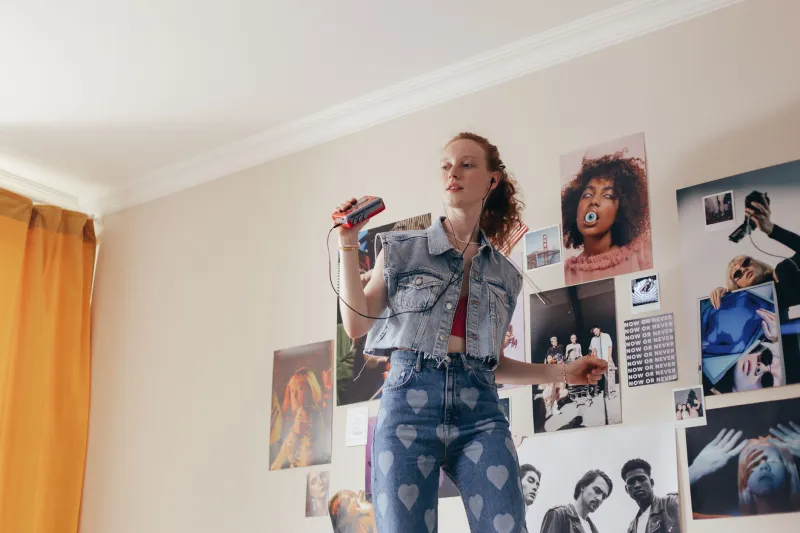
Something about the distorted guitars and raw-throated rap verses of the '90s cut through the noise in a way that felt almost uncomfortably personal. Nirvana, Radiohead, Wu-Tang Clan — these weren't just bands playing songs, they were translating a specific kind of teenage dread that nobody else was willing to name out loud. Decades later, nothing on a playlist quite replicates that feeling, and it's worth asking why.

Still Pressing Play: The Die-Hard Cassette Collectors Who Never Moved On (And Don't Want To)
Culture

Still Pressing Play: The Die-Hard Cassette Collectors Who Never Moved On (And Don't Want To)

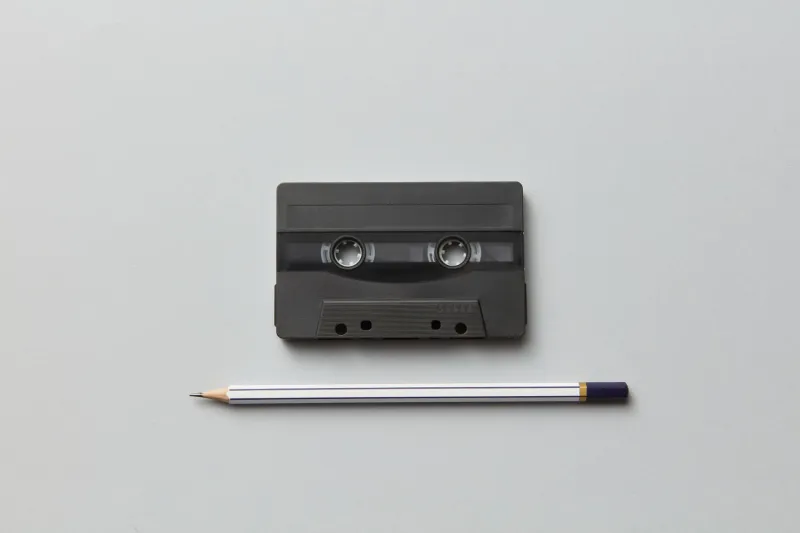
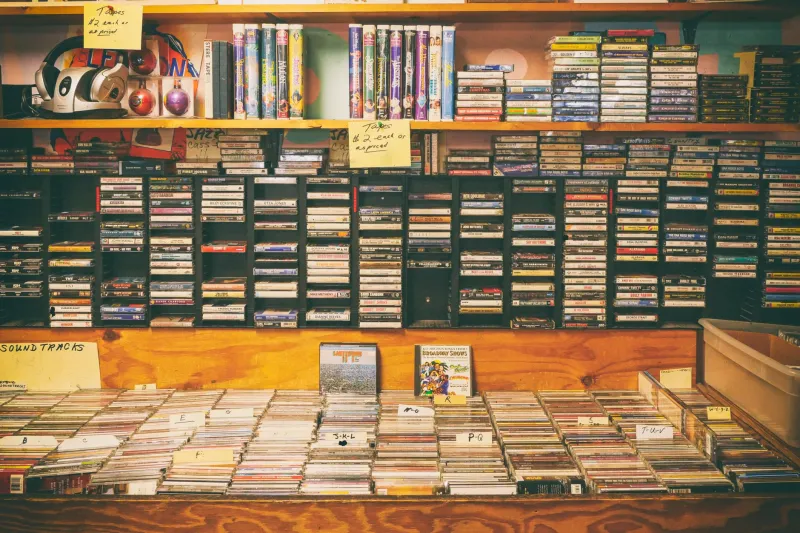
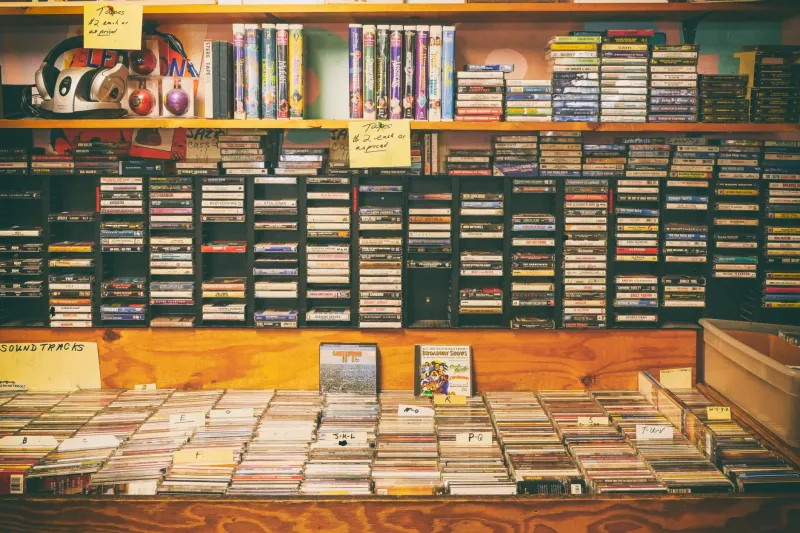
While vinyl got the prestige comeback and streaming got the money, a quieter group of music obsessives held onto their tape decks and never let go. For dedicated cassette collectors, the '90s mixtape isn't a relic — it's still the most personal format music ever had. We went deep into the world of people who hoard cassettes by the boxful and asked them why they can't quit the tape.

Bum Bum Bum: How '90s TV Theme Songs Outlived the Shows That Made Them Famous
Culture

Bum Bum Bum: How '90s TV Theme Songs Outlived the Shows That Made Them Famous

Before skip intros existed, we actually sat through them — and we loved every second. The theme songs of '90s television weren't just filler; they were cultural events that somehow became more memorable than the episodes they introduced. Here's why those opening bars still hit different decades later.

Cracked Cases and Liner Notes: The Quiet Magic of '90s CD Packaging That Streaming Killed
Music

Cracked Cases and Liner Notes: The Quiet Magic of '90s CD Packaging That Streaming Killed

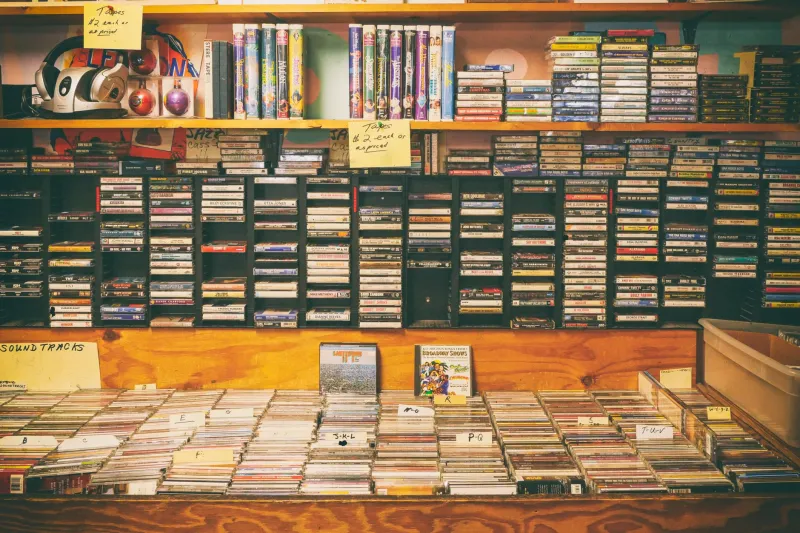
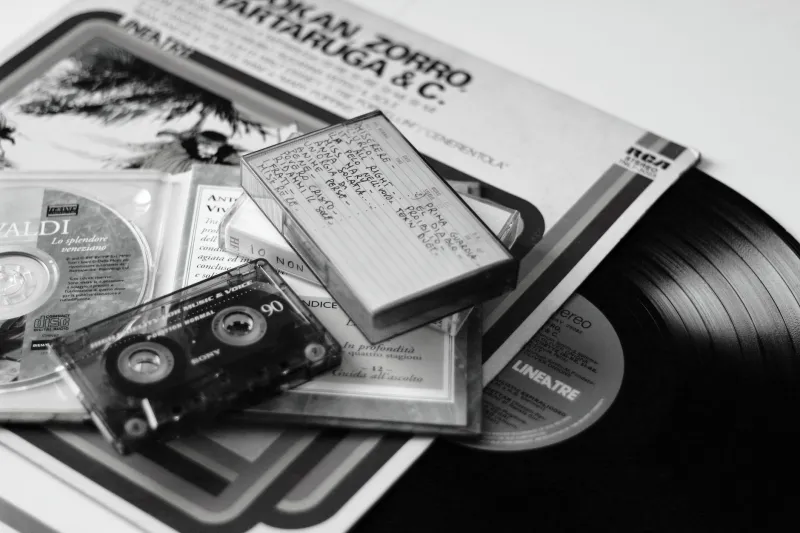
Before your entire music library fit in your pocket, it lived on a shelf — and every case told a story. The CD booklets, fold-out inserts, and tactile rituals of '90s music ownership created a relationship with albums that no streaming platform has ever managed to replicate. We're looking back at what we actually lost when we went digital.

Press Play on the Pain: The '90s Songs That Knew Exactly How Heartbreak Felt
Music

Press Play on the Pain: The '90s Songs That Knew Exactly How Heartbreak Felt

Before you could text your ex at 2am or doom-scroll through their Instagram, you had a Discman and a song that felt like it was written just for you. The '90s produced an uncanny catalog of heartbreak anthems that somehow nailed every specific shade of teenage pain. Here's why those tracks still hit different decades later.

Rewind, Burn, Download, Stream: How the '90s Changed the Way We Own Music Forever
Culture

Rewind, Burn, Download, Stream: How the '90s Changed the Way We Own Music Forever

The '90s didn't just give us great music — it gave us three completely different ways to experience it, each one more convenient and somehow less personal than the last. From the careful ritual of the mix tape to the wild west of Napster, the decade rewired our entire relationship with the songs we loved. What we gained in access, we may have traded for something harder to name.

The One-Hit Wonder Myth: Which '90s Artists Actually Deserved Way More Credit
Music

The One-Hit Wonder Myth: Which '90s Artists Actually Deserved Way More Credit

The '90s had no shortage of songs that blew up huge and then seemingly vanished overnight. But 'one-hit wonder' gets thrown around way too loosely — some of those artists had entire catalogs we just never heard. Let's sort out who actually fits the label and who got robbed by radio programmers and MTV's rotation algorithm.

Selling You Your Own Childhood: How Brands Turned '90s Nostalgia Into a Billion-Dollar Business
Culture

Selling You Your Own Childhood: How Brands Turned '90s Nostalgia Into a Billion-Dollar Business

From limited-edition Surge cans to Nickelodeon-branded everything, corporations have spent the last decade figuring out exactly how much your childhood memories are worth. Spoiler: it's a lot. But is any of it actually about the music and culture we loved, or is it just really, really good marketing?