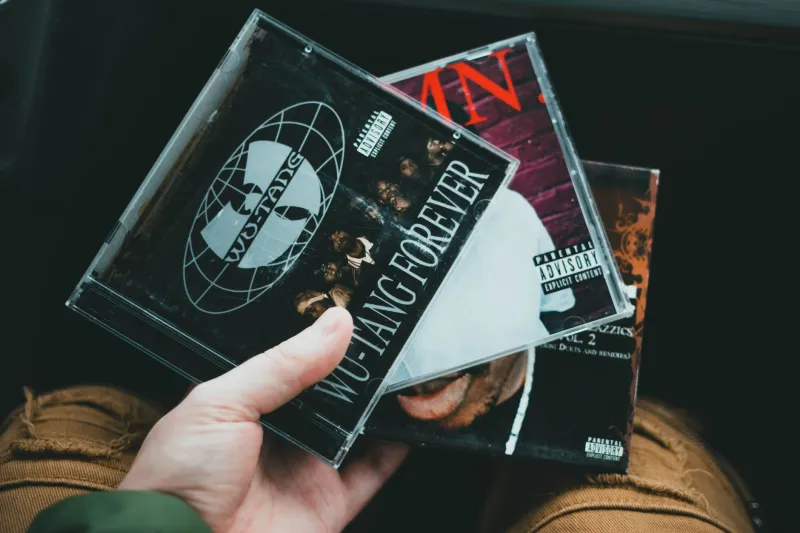
Rare, Burned, and Worth Everything: The Underground Economy That Kept '90s Fandom Alive
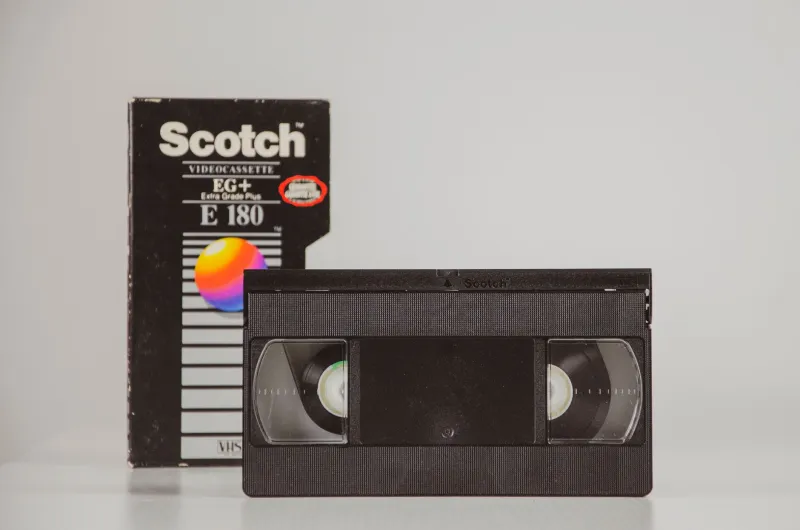
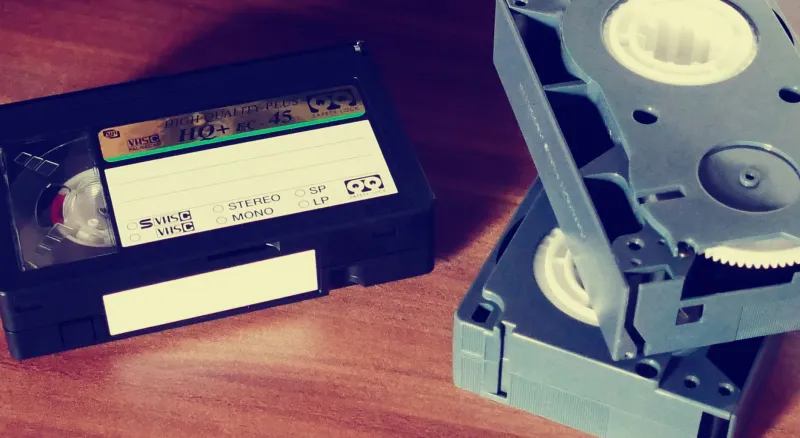
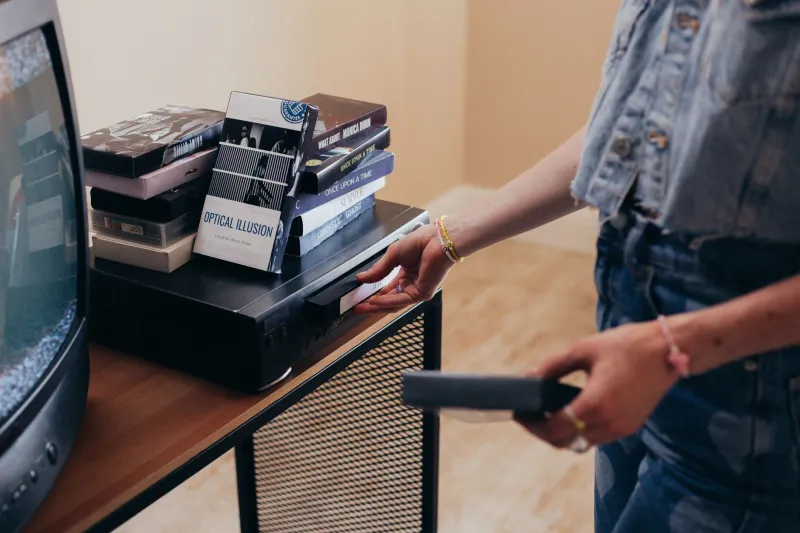
Somewhere in a storage unit in Ohio, there's probably a cardboard box stuffed with VHS tapes labeled in Sharpie. Nirvana — Rome 1994. Phish — Great Went. Fugees — Hammerstein Ballroom. No official release. No label. No barcode. Just magnetic tape and the memory of someone who was there — or knew someone who was — and made sure the rest of the world could be, too.
That box is a relic of one of the most sophisticated underground distribution systems the music industry never managed to kill: the '90s bootleg economy.
How It Actually Worked
The mechanics were surprisingly organized for something operating entirely outside the law. At the core of it were traders — fans who treated live recordings, unreleased demos, and out-of-print merchandise the way Wall Street treated commodities. You had something rare, someone else had something rare, and if the trade was fair, both parties walked away richer in the only currency that mattered: access.
Classified ads in the back of music magazines like Goldmine and Discoveries served as the original marketplace listings. You'd write in with your "haves" and "wants," and pen pal chains would form across the country. A kid in Portland might trade a soundboard recording of a Soundgarden show to someone in Atlanta who had an early Pearl Jam demo that never made it onto Ten. The postal service was the shipping carrier. The honor system was the terms of service.
When AOL chatrooms and early internet forums arrived mid-decade, the whole operation scaled fast. Suddenly you weren't limited to whoever happened to subscribe to the same niche publication. You could find a community of fifty people who all cared deeply about a specific band's 1993 European tour, and every single one of them had something to offer.
The Merchandise Underground
Bootleg recordings were only half the story. Counterfeit concert merchandise ran a parallel economy that was, if anything, even more visible. The unlicensed shirt vendors who set up outside arenas weren't just hustlers — they were filling a genuine gap in the market. Official merch tables ran out. Prices were steep. And the bootleg sellers outside often had designs that were, frankly, cooler.
For fans who couldn't afford the $30 official Metallica tee in 1996, the $12 version from the guy with a folding table in the parking lot was the difference between leaving with something and leaving with nothing. Was it legal? No. Did it mean something to the kid who wore it to school on Monday? Absolutely.
The counterfeit merchandise world had its own hierarchy, too. Screen-printed shirts with slightly off logos were the low end. Higher up were the vendors who'd gotten their hands on actual tour artwork and produced near-perfect replicas. At the very top — and these were genuinely rare — were pieces that predated the official merch run, produced by insiders before the label even approved the design.
Scarcity as Social Currency
What made the bootleg economy so powerful wasn't just access. It was the cultural weight that came with owning something almost nobody else had. A tenth-generation VHS dub of a Tupac show at the House of Blues was objectively worse in quality than anything you could watch on TV. But it was yours, and more importantly, it was proof.
Proof that you were deep in it. Proof that you'd done the work — made the trades, written the letters, waited the weeks for something to arrive in a padded envelope. In a pre-internet world where there was no profile to curate, no follower count to point to, the physical artifacts of your fandom were the evidence of your commitment. And rare ones carried serious weight.
This is something the resale culture of today — StockX, GOAT, Depop — understands intuitively even if it never connected the dots back to those parking lot traders. The premium isn't really about the object. It's about what possessing it says about you.
The Labels Fought It and Lost
Major labels spent a good chunk of the '90s treating bootleggers like pirates and fans like criminals. Cease-and-desist letters went out. RIAA pressure campaigns targeted trading networks. But the fundamental problem was one of supply and demand that the labels themselves had created.
When artists didn't release official live albums, fans filled the void. When merchandise sold out and never got restocked, someone else stepped in. When a demo leaked and the label refused to acknowledge it existed, the trading community made sure it survived anyway. The bootleg economy wasn't competition — it was a service industry responding to failures in the official one.
Some artists quietly understood this. Bands like Grateful Dead and Phish created formal tape-trading allowances, designating specific taper sections at shows. They recognized that the underground distribution of their live performances wasn't killing their business — it was building a fanbase that would follow them anywhere.
What It Predicted
Look at the reseller market for vintage band tees right now and you'll see the same logic playing out at scale. A faded Rage Against the Machine shirt from a 1996 show can sell for several hundred dollars on eBay. The value isn't in the cotton. It's in the proof — proof of presence, of history, of authenticity that no officially licensed reprint can replicate.
The '90s bootleg traders figured this out before anyone had the language for it. They understood that scarcity plus community plus story equals value. That's not a black market principle. That's just how culture works.
The major labels still haven't fully killed it. They've just watched it go legitimate.