Before the Feed Refreshed: How '90s Pop Culture Built Obsessions That Actually Lasted
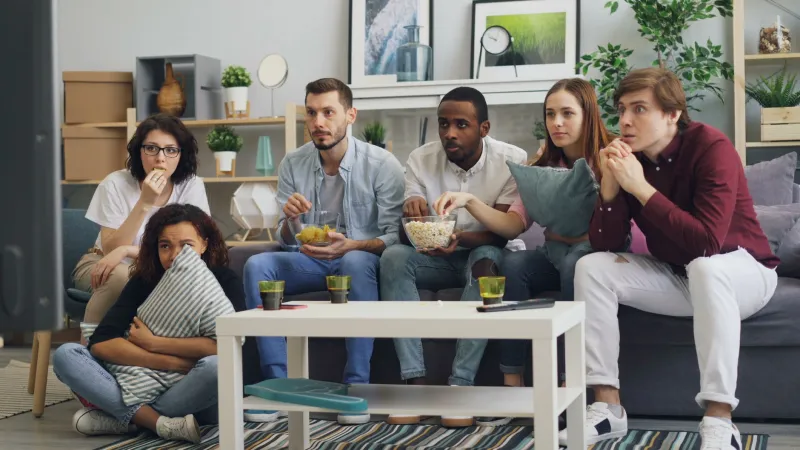
There's a specific kind of frustration that doesn't exist anymore. It's the feeling of having to wait a full week to find out what happened next. No recap thread, no leaked episode, no spoiler dropped in a Discord server at 2 a.m. Just you, your memory of last Tuesday's cliffhanger, and five days of slow-burning anticipation that somehow made the whole thing feel more important.
That's the '90s experience in a nutshell. And honestly? We didn't know how good we had it.
Word of Mouth Was the Only Algorithm That Mattered
Before recommendation engines existed, the only way something blew up was because real people told other real people about it. Not bots. Not promoted posts. Just someone grabbing your arm in the hallway and saying, have you seen this?
That's how Quentin Tarantino went from video store clerk to cultural lightning rod. Pulp Fiction didn't drop on a Friday and trend by Sunday. It crept. Film students talked about it. Then their friends talked about it. Then the kids who didn't even go to art house theaters started quoting it because it had already become the thing you had to know about. By the time it reached your town's second-run cinema, it had been building for months. That slow spread gave it weight. It felt like you'd discovered something, even when millions of people had technically gotten there before you.
That discovery feeling is almost impossible to manufacture now. When everything trends simultaneously, nothing feels like yours.
The X-Files and the Art of Collective Suspense
Let's talk about The X-Files for a second, because it might be the single best example of what a slow-burn cultural obsession actually looked like in practice.
The show premiered in 1993 and spent its first couple of seasons building a devoted but relatively niche following. There was no social media surge, no think-piece avalanche after the pilot. People found it, got hooked, and then had to find other people who were also hooked. You compared theories at lunch. You argued about whether Mulder was right or just unhinged. You waited seven days — seven actual days — between episodes, which meant you spent that whole week turning things over in your head.
By the time the show peaked in the mid-to-late '90s, the fandom wasn't just big. It was deep. Fans had constructed elaborate mythology timelines. They'd started early internet message boards that were basically proto-Reddit threads, dense with analysis and speculation. The patience required to follow the show created a kind of investment that a binge-watch simply can't replicate. When you have to wait, you think. When you think, you care more.
The Water Cooler Was a Real Place
Here's something worth sitting with: in the '90s, the water cooler conversation wasn't a metaphor. It was a literal thing that happened at a literal water cooler, or in a break room, or in the ten minutes before first period started.
Shared TV moments — the Friends season finale, the Seinfeld series finale, the week after a particularly wild ER episode — created synchronous cultural experiences. Everyone watched at the same time because there was only one time to watch. And then everyone processed it together, in real time, face to face, the next morning.
That communal processing is what gave '90s pop culture its unusual staying power. It wasn't just that you watched something. It was that you watched it with your culture, simultaneously, and then spent days talking about it with the people around you. The conversation was part of the experience.
Compare that to today, where you might watch a buzzy limited series three months after everyone else finished it, alone, trying to avoid spoilers the whole time. The content might be great. But the shared moment is gone.
Slow Discovery, Deeper Imprint
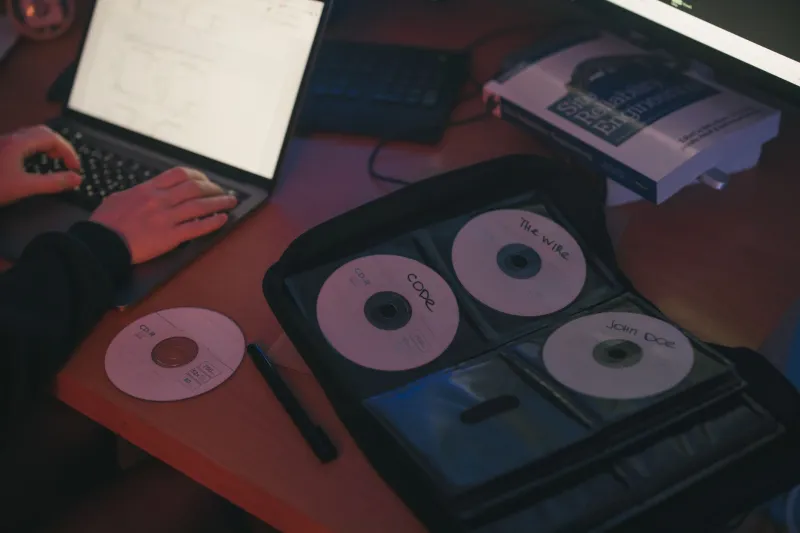
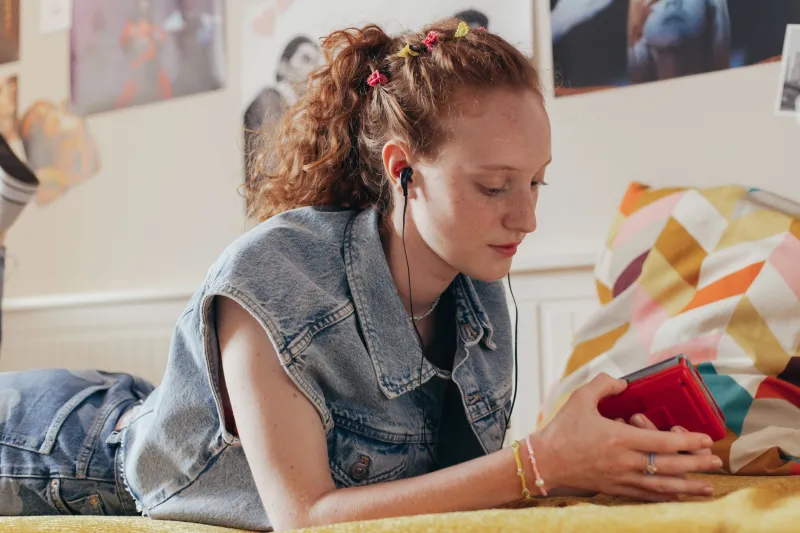
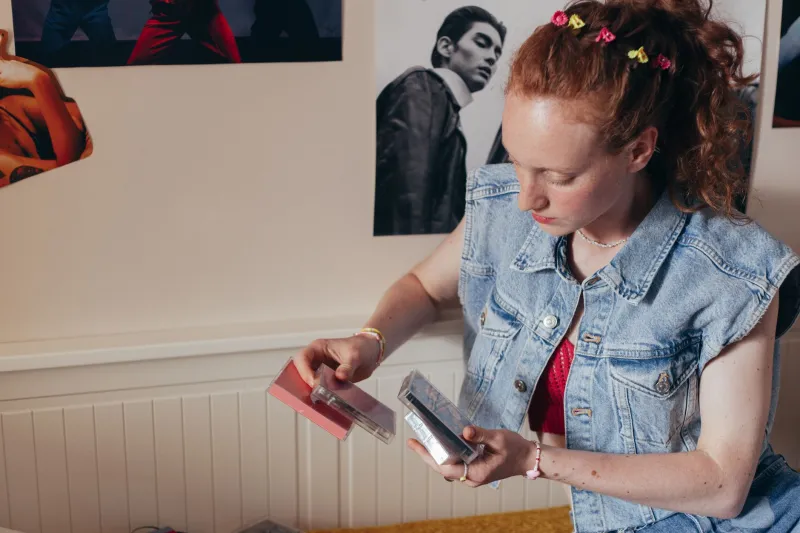
Music worked the same way. A song didn't go viral overnight in 1994. It started on one radio station, got added to a few more, crept up the charts over weeks, and eventually became inescapable — but gradually. You heard it in the background of a store. Then your friend had the CD. Then it was on the radio every morning. By the time a song was truly everywhere, you'd already built a relationship with it through repeated, accidental exposure.
That's different from a song blowing up on a short-form video platform in 72 hours and then disappearing from the conversation a week later. The chart mechanics of the '90s, slow as they were, created a kind of cultural marination. Songs had time to mean something before they were replaced.
And the artists who broke through that way — the ones who built their audiences through touring, radio play, and genuine word of mouth — tended to have longer, more loyal fanbases. You'd earned your fandom. It wasn't just an algorithmic suggestion.
What We Actually Lost When Speed Took Over
This isn't just nostalgia talking, though there's plenty of that here too. There's a real structural difference between how '90s culture built its phenomena and how things work now.
The 48-hour trending cycle rewards novelty over depth. It surfaces things fast and buries them just as quickly. Something can be the biggest cultural conversation on a Monday and completely forgotten by Thursday. That's not inherently bad — it means more things get their moment. But it also means fewer things get to grow into something lasting.
The slow-burn obsession required patience from both the creators and the audience. Shows had to earn their viewers over multiple seasons. Artists had to build through repetition and live performance. Movies had to survive word of mouth for months. That patience created a kind of cultural pressure that, when it finally released, produced something genuinely explosive — not in the trending-topic sense, but in the this-thing-changed-how-I-think sense.
Pulp Fiction changed cinema. The X-Files changed what TV drama could be. Nirvana didn't just have a big week — they shifted an entire industry's direction. Those kinds of impacts take time to build. They require a culture that's willing to wait.
We're Still Chasing That Feeling
It's not a coincidence that the most talked-about cultural moments of the last decade have been the ones that managed to recreate some version of that '90s patience. The shows people genuinely obsess over are still the ones with long gaps between seasons, the ones that make you wait and theorize and argue with your friends.
Deep down, we still want the slow burn. We still want the water cooler moment. We still want to feel like we discovered something, even if we know a million other people found it at the same time.
The '90s didn't have the infrastructure to go viral. So instead, things just... lasted. And maybe that was the better deal all along.