Headphones In, World Out: How '90s Music Gave Introverts a Place to Hide — and Heal
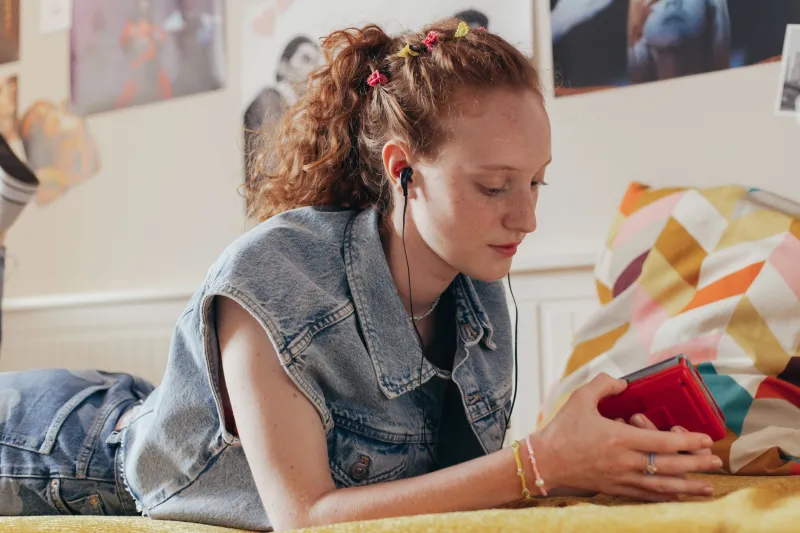
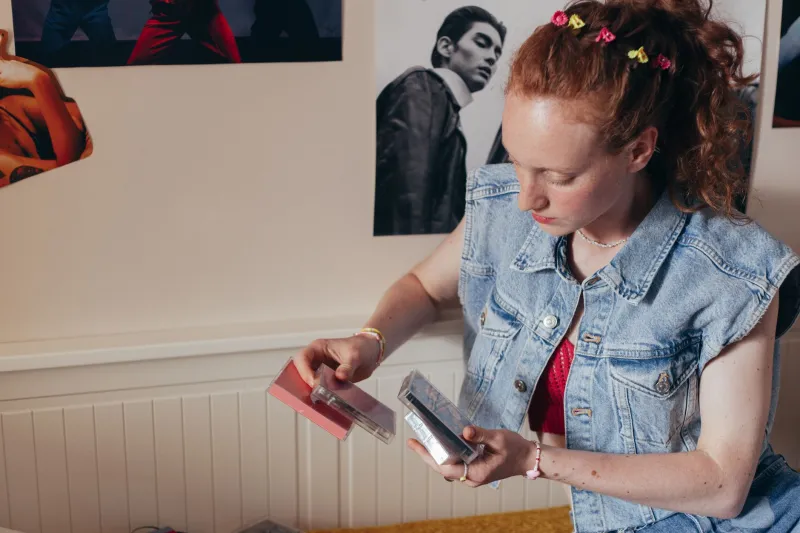
There's a specific kind of quiet that every introverted '90s kid knows. Not the peaceful kind. The survival kind. The kind you manufactured on the school bus by pressing play on your Walkman before anyone could sit next to you and ask what you were listening to. The headphones weren't just audio equipment. They were a social force field. A politely worded sign that said: not right now, maybe not ever.
What made the '90s different from every decade before it wasn't just the music — it was the way the music understood that some people genuinely didn't want to be found. And somehow, that understanding arrived at exactly the right moment for a generation of teenagers who didn't yet have words like "introvert," "social anxiety," or "emotional regulation" in their everyday vocabulary. They just had the music. And it was enough.
The Anti-Social Soundtrack Nobody Called Anti-Social
Grunge didn't market itself as therapy for shy kids. But that's essentially what it became. When Kurt Cobain muttered his way through In Utero or Thom Yorke's voice cracked on Pablo Honey, something clicked for the teenager sitting alone at the lunch table. This wasn't music that demanded you get up and dance or prove your worth on a social stage. It asked nothing. It just sat there with you.
Nirvana, in particular, had this remarkable quality of making alienation feel like a reasonable response to the world rather than a personal failure. "I'm so ugly, but that's okay 'cause so are you" isn't a self-help affirmation — but for a 15-year-old who felt perpetually out of step, it functioned like one. The message, decoded: your weirdness is not a defect. For introverted kids in mid-'90s America, that was genuinely radical.
Radiohead went even further. The Bends and later OK Computer didn't just reflect alienation — they built entire sonic architectures around it. Listening to Radiohead alone in your bedroom wasn't depressing. It was almost architectural. You were constructing a private interior world that felt more real, more honest, than the cafeteria noise waiting for you on Monday morning.
Hip-Hop and the Permission to Be Invisible
Here's what gets overlooked in the nostalgia conversations: underground hip-hop in the '90s was doing something equally powerful for introverted listeners, just through a completely different emotional register.
Artists like Nas, Mos Def, and the early output from labels like Rawkus Records were creating music that rewarded close, private listening. These weren't party anthems — or at least not only party anthems. They were dense, layered, almost literary in places. You had to sit with them. You had to replay them. And that act of deep, solitary listening felt like its own kind of mastery.
For introverted teens who felt outpaced by the louder, more socially confident kids around them, hip-hop offered a different kind of status. You could know things. You could catch references others missed. You could have a relationship with an album that nobody else in your zip code had bothered to develop. That was power — quiet power, but real.
The Walkman made all of this portable. You could carry your entire internal world in your jacket pocket. The bus ride, the walk home, the wait in the doctor's office — all of it became yours. Reachable. Manageable.
Before We Had Language for It
We talk a lot now about emotional regulation. About coping mechanisms. About the nervous system and how overstimulation affects introverted personalities differently. It's good that we have this language. But it's worth recognizing that millions of American teenagers in the '90s were doing all of this intuitively, through music, without a single clinical framework to explain why it worked.
Putting on a specific album when you were overwhelmed wasn't just a preference. It was a reset. Choosing headphones over conversation wasn't rudeness — it was self-preservation dressed up as a music habit. The '90s, almost accidentally, gave introverts a culturally acceptable reason to withdraw. Nobody questioned a kid with a Walkman. The device itself was a kind of social permission slip.
And the music that filled those headphones — the murky guitars, the introspective rap verses, the moody alternative rock that dominated college radio — matched the interior frequency of kids who spent more time in their own heads than anyone around them fully realized.
The Bedroom as Broadcast Studio
The introvert's natural habitat in the '90s wasn't the mall or the house party. It was the bedroom. And the bedroom, soundtracked correctly, became something extraordinary. You could spend a Saturday afternoon cycling through Nevermind, Illmatic, and Dummy by Portishead and feel like you'd traveled somewhere genuinely far from suburban Ohio or wherever you happened to be stuck.
There's a reason so many people from that generation talk about '90s albums as formative in ways that feel almost spiritual. It wasn't just that the music was good — though a lot of it was genuinely great. It was that the music met them in the one place they felt safest: alone, door closed, volume up.
The bedroom was where you built your actual self in the '90s. And music was the raw material.
What We Carried Out of That Decade
The introverted kids who grew up in the '90s are in their late 30s and 40s now. A lot of them still reach for music the same way — as a first-response tool when the world gets too loud, too fast, too much. The Walkman became the iPod became the phone, but the behavior never really changed. Press play. Withdraw. Recover.
What the '90s gave those kids wasn't just a great catalog of songs to grow old with. It gave them a practice. A repeatable, private ritual for managing the exhausting business of being alive in a world that consistently rewards extroversion.
And maybe that's the most underrated thing about that era's music culture — not the fashion, not the nostalgia economy it eventually spawned, but the quiet, unglamorous fact that it gave a whole generation of shy American teenagers something to hold onto when everything else felt like too much.
Headphones in. World out. Play.