Four Walls and a Statement: How '90s Teens Turned Their Bedrooms Into the First Social Profile
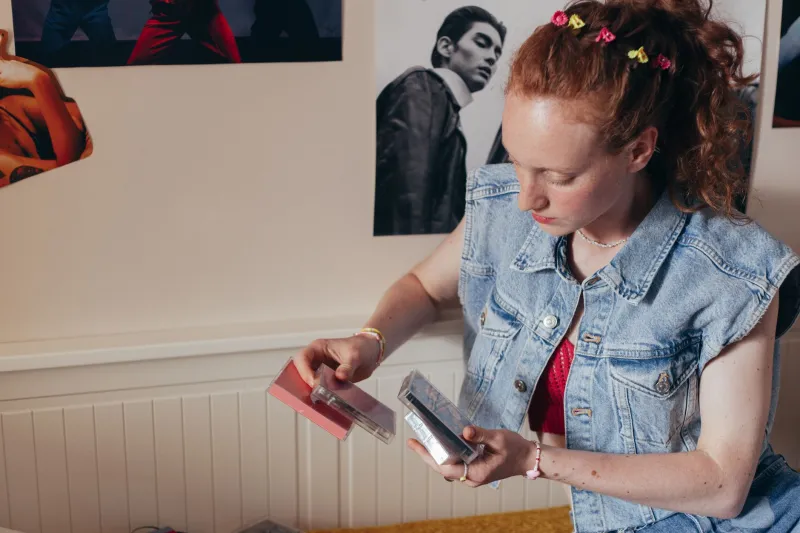
Before anyone had a profile picture or a bio, '90s teens had four walls and a staple gun. Your bedroom wasn't just where you slept — it was a carefully curated broadcast of exactly who you were, or at least who you were trying to become. Every poster, every magazine cutout, every shelf arrangement was a decision that said something. And if you had friends over, they read every single one of those decisions whether you realized it or not.
There was no Instagram grid to maintain, no TikTok aesthetic to commit to. The bedroom was the algorithm. It surfaced your taste, your loyalties, your aspirations, and sometimes your most embarrassing phases — all at once, all in the same room, totally permanent until you found a new obsession and needed the wall space.
The Hierarchy of the Wall
Not all wall real estate was created equal. Any '90s teen could tell you that the wall directly across from your bed — the first thing you saw in the morning and the last thing you stared at before falling asleep — was prime territory. That spot was reserved for whoever mattered most. Tupac. Kurt Cobain. The entire cast of Friends. Jonathan Taylor Thomas, if that's where you were at. No judgment.
The side walls were for depth. That's where you showed range. Maybe a Pulp Fiction poster next to a Nirvana one, or a Space Jam print tucked beside a TLC collage cut from the pages of Right On! or Vibe. The ceiling was a flex — it took effort and commitment, and not everyone bothered. If you had something on your ceiling, you meant it.
The door was complicated. It was semi-public — parents knocked on it, siblings barged through it — so a lot of teens kept the door space slightly more curated, slightly less raw. But some kids went full statement on the door anyway, and honestly, those were usually the most interesting people in school.
Where the Posters Actually Came From
This is a part of the story that gets glossed over in nostalgia pieces, but the sourcing of your wall décor said almost as much as the décor itself. There were a few pipelines.
The most accessible was the fold-out poster that came tucked inside teen magazines — Tiger Beat, Seventeen, YM, Sassy. These were free, technically, since you were already buying the magazine anyway. They were also the most mainstream option, which meant having too many of them could read as basic. Strategic deployment was key.
Then there were the mall stores. Suncoast, Sam Goody, and especially Spencer Gifts — Spencer's was practically a poster gallery disguised as a novelty shop. You could get the big glossy band posters, the blacklight stuff, the movie art. These cost actual money, which gave them a different kind of weight. If you had a professionally printed Soundgarden poster, you'd invested in that opinion.
The third source, and arguably the most credible in terms of social currency, was anything you'd clipped, torn, or carefully extracted from a magazine yourself. A full-page photo from Rolling Stone or Spin that you'd framed or pinned with intention? That communicated something different than a pre-packaged poster. It said you were paying attention on your own terms.
The Shelves Were a Supporting Cast
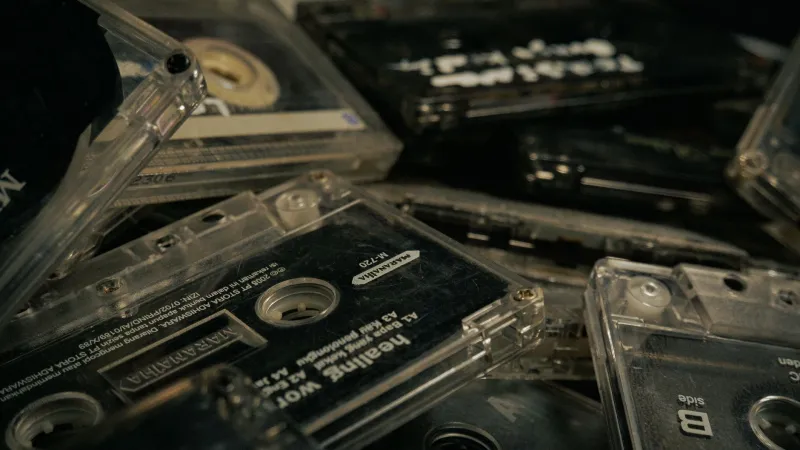
The walls got the most attention, but the shelves were doing serious narrative work too. CD towers and cassette racks weren't just storage — they were a public-facing catalog of your musical identity. Having your collection visible and organized was a statement. Alphabetical order said one thing. Organized by genre said another. A deliberate mess that somehow you could navigate perfectly said something else entirely.
Books on a shelf in a teenager's bedroom in the '90s carried weight too, maybe more than people gave them credit for. A dog-eared copy of The Perks of Being a Wallflower before it was cool, or a stack of Stephen King paperbacks with cracked spines, or a row of Goosebumps that you technically outgrew but weren't ready to box up — all of it contributed to the picture.
And then there were the objects. A lava lamp. A Tamagotchi still in its packaging because you didn't want to kill it. A snow globe from a family trip you didn't choose but secretly liked. A hat from a concert. Ticket stubs tucked into the mirror frame. Every single one of those things was a sentence in a longer story you were writing about yourself.
The Mirror Frame as Bulletin Board
If the main wall was your headline statement, the mirror frame was the fine print — and it was usually the most personal real estate in the room. This was where the stuff lived that wasn't quite ready for full display but was too important to hide. A photo strip from the mall photo booth. A note passed in class. A fortune from a fortune cookie that hit different. A friendship bracelet from someone you were in a complicated situation with.
The mirror frame was intimate in a way the rest of the room wasn't. It was the part of your room that was technically visible but felt private, maybe because it required someone to walk up close to read it. That physical proximity meant something. Not everyone got to stand that close.
What It All Actually Meant
Here's the thing about all of this that doesn't get said enough: the '90s bedroom was doing the exact same job that social media does now, just in physical space and real time. You were curating an identity. You were broadcasting taste. You were staking claims and signaling affiliations and testing out versions of yourself to see what felt true.
The difference — and it's a meaningful one — is that it wasn't public in the global sense. Your audience was small. It was your friends, your family, maybe a crush who came over once and definitely noticed everything. That limitation made it feel safer, somehow. You could be fully yourself, or fully whoever you were becoming, without it being indexed and searchable and permanent in the way that online life is now.
You could repaint. You could take down the poster of the artist you grew out of. You could rearrange the shelves and start a new chapter without anyone screenshotting the old one.
In a way, the '90s bedroom was the last version of personal expression that was truly yours — messy, evolving, and only visible to the people you let through the door. That's worth something. Maybe it's worth more now than it was then.