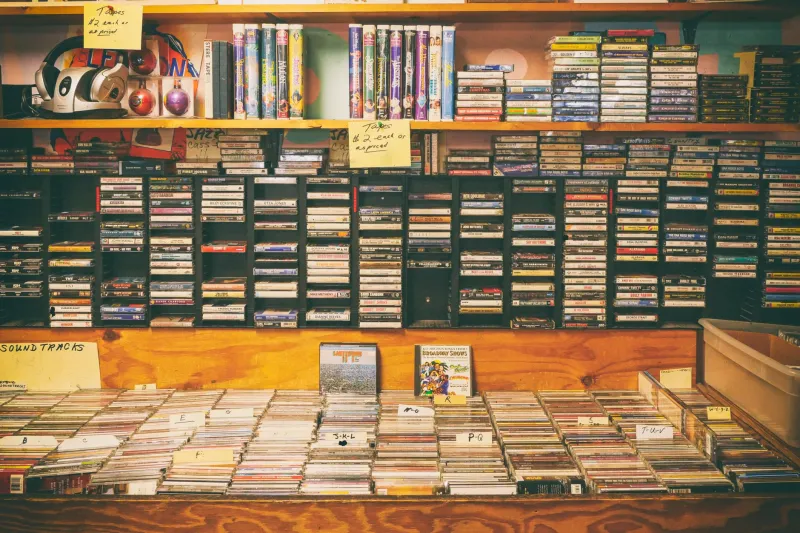
Overflow, Not Obligation: Why '90s B-Sides Felt Like Gifts Instead of Filler
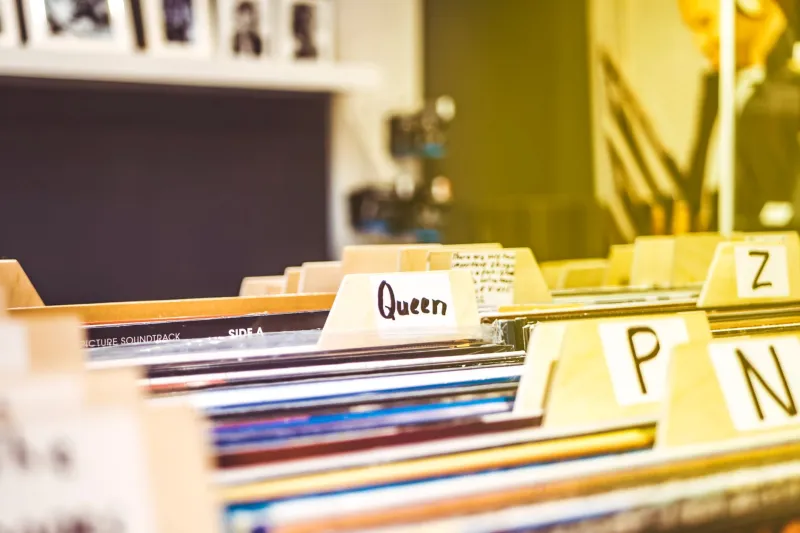
There was a specific kind of excitement that came with flipping a cassette single over to Side B. No reviews. No previews. No algorithm suggesting you'd probably like it based on your recent listening history. Just a song that existed because an artist had more to say than the radio was willing to broadcast — and you were either going to find it or you weren't.
That's the thing about '90s B-sides and deep album cuts that's genuinely hard to explain to anyone who came of age in the streaming era. The scarcity wasn't a bug. It was the whole point.
The Creative Surplus Theory
Here's what made '90s B-sides feel so different from what gets marketed as "bonus content" today: they came from overflow, not obligation.
When Nirvana recorded "Oh, the Guilt" as a B-side to the "Jesus Doesn't Want Me for a Sunbeam" single, or when Radiohead tucked "Talk Show Host" onto the back of "Street Spirit," those weren't calculated moves designed to inflate a catalog count. They were songs that existed because the band was on a creative tear and couldn't stop. The album was full. The label had what it needed. But the music kept coming.
That's a fundamentally different energy than what drives modern bonus track culture, where a 14-song album suddenly becomes an 18-song "deluxe edition" approximately three weeks after release — conveniently right when streaming algorithms reward catalog depth and playlist filler. Fans aren't naive. They can feel the difference between a song that had nowhere else to go and a song that was parked in a drawer specifically for this moment.
The Hunt Was the Point
Finding a great B-side in the '90s required actual effort. You had to know which single to buy, which import pressing had the extra track, or which fan magazine had bothered to review something that would never see radio play. Record store clerks became unlikely gatekeepers of this knowledge. So did the kid at school who seemed to own every version of every album by three specific bands and was inexplicably willing to make you a copy if you asked nicely enough.
That friction built something that instant access simply cannot replicate: investment. When you finally heard a track you'd been chasing for weeks, you listened differently. You paid attention in a way that passive consumption never demands. Deep cuts like Smashing Pumpkins' "Thru the Eyes of Ruby" or the album version of Lauryn Hill's "The Miseducation" interludes rewarded the kind of close listening that came naturally when the music had cost you something — time, money, or at minimum, a trip to a specialty record shop across town.
Album Cuts as a Different Kind of Intimacy
It wasn't just singles and their B-sides, either. The deep cuts buried in the middle of a full-length album carried their own mythology. These were the tracks that never got video treatment, never got radio push, never got mentioned in Rolling Stone. They existed in a weird, protected space where an artist could be weirder, slower, more experimental, or just more honest than the marketable version of themselves required.
Think about what's buried in the back half of albums like Outkast's ATLiens or PJ Harvey's Rid of Me. Those tracks weren't trying to be singles. They weren't even trying to be accessible. They were trying to be true — and the fans who found them tended to become the most loyal, most passionate, most obsessive listeners in any given fanbase. Because those songs felt like a secret handshake. Like the artist had left something there specifically for the people who were paying close enough attention.
What Bonus Content Became
Compare that to the modern landscape, where "deluxe editions" and "vault tracks" get dropped with press releases and coordinated social media rollouts. The music might be perfectly good. Some of it genuinely is. But the presentation strips away the discovery element entirely. You're not finding anything. You're being served content that's been engineered to appear in your recommendations, extend an album's chart eligibility window, or satisfy a contractual release schedule.
There's also the problem of volume. When a major artist drops 22 tracks and calls them all equally essential, nothing is essential. Scarcity creates value — not just economic value, but emotional and artistic value. The '90s understood this intuitively, even if nobody was framing it in those terms at the time. You got maybe 12 songs on an album, a couple of B-sides if you were lucky, and the occasional fan-club exclusive that felt like finding a twenty in an old coat pocket.
Why It Still Matters
The reason '90s B-sides hit different isn't purely nostalgic — it's structural. The conditions that produced them created a specific kind of relationship between artist and listener that the current model doesn't really allow for. Discovery meant something. Depth meant something. The fact that a song wasn't on the album meant it existed outside the commercial apparatus, in a space that felt almost private.
That's not to say great music isn't being made today, or that artists aren't trying to build genuine connections with their audiences. They absolutely are. But the infrastructure around music consumption has changed in ways that make the B-side era feel genuinely irreplaceable — not because the songs were always better, but because the experience of finding them made you feel like a real fan rather than just another stream counted in a dashboard somewhere.
Some things you have to earn. The '90s made sure of that.