Flip It Over: The '90s Album Tracks Nobody Played on the Radio That Still Live Rent-Free in Your Head
Photo: vintage 1990s CD collection album cases record store shelf, via www.printablee.com
There's a specific kind of satisfaction that streaming will never be able to replicate. It's the feeling of buying an album because you loved the single, sitting down with the liner notes, and then — somewhere around track seven or eight — getting completely blindsided by a song nobody told you about. No algorithm suggested it. No influencer hyped it. You just found it, the way you'd stumble onto something good at a yard sale. And because you found it yourself, it was yours in a way that a Spotify recommendation never really can be.
That experience was basically the defining ritual of '90s music fandom. And it's almost entirely gone.
The Single Was the Door. The Album Was the House.
In the '90s, the single existed to get you in. Radio stations hammered the hits — "Waterfalls," "Smells Like Teen Spirit," "Losing My Religion" — and if those songs hooked you, you went to the record store and bought the full album. What happened after that was between you and the CD.
Artists understood this dynamic, and the good ones treated the album format like a conversation that the single had only started. Nirvana's Nevermind gave you "Come as You Are" on the radio, but it also gave you "Drain You" buried deeper in the tracklist — a song that a certain kind of fan will argue is actually the better track. TLC's CrazySexyCool had three massive singles, but "Diggin' on You" and "Red Light Special" were the ones that people played on repeat in their bedrooms. Lauryn Hill's The Miseducation of Lauryn Hill charted with "Doo Wop (That Thing)," but the people who actually lived inside that album will tell you that "Every Ghetto, Every City" or "When It Hurts So Bad" is where the real emotional weight lives.
This wasn't accidental. These artists were making albums, not just packaging singles with filler. The deep cuts were deliberate, and in a lot of cases they were more personal, more experimental, and more honest than whatever the label was pushing to radio.
B-Sides Were a Whole Separate Religion
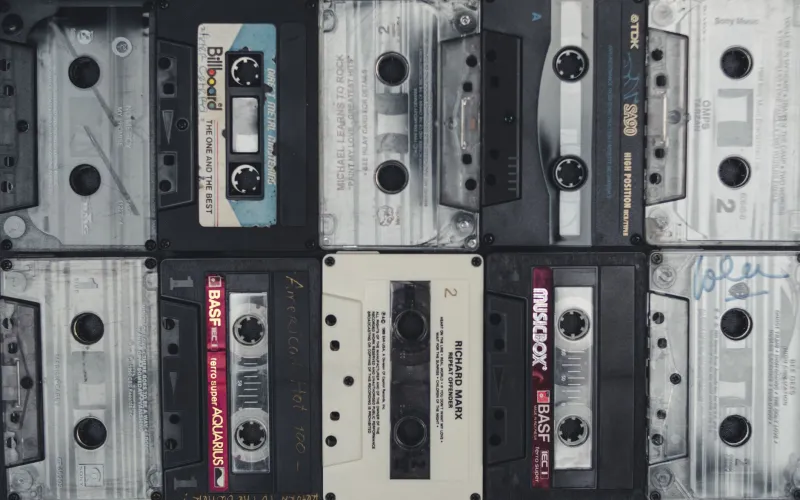
And then there were actual B-sides — the tracks that only existed on the physical single, tucked behind the hit like a bonus round. If you were a serious fan in the '90s, you collected these. You hunted them down at record stores, traded them with friends, and held them like currency.
Pearl Jam released a staggering number of B-sides throughout the decade, many of which never made it onto a proper album. Radiohead's B-sides were so good that the band eventually compiled them onto My Iron Lung and Airbag/How Am I Driving? — releases that hardcore fans treated as essential listening. The Smashing Pumpkins had B-sides that rivaled their album material in ambition and execution. Collecting them wasn't just a hobby; it was a form of devotion.
The treasure-hunt element was everything. You couldn't just search a title and find it in thirty seconds. You had to know someone, go somewhere, spend money, and sometimes come up empty. When you finally tracked down a rare B-side, the effort made the listening experience feel earned. That emotional investment changed how you heard the music.
What Streaming Did to the Deep Cut
Streaming didn't kill the B-side overnight. It sort of dissolved it slowly, the way a sugar cube disappears in warm water — you stop noticing the process until the thing is just gone.
When every track is equally accessible and equally visible, nothing is hidden. Nothing is rare. The whole point of a deep cut was that it took some effort to find it, and that effort created a relationship between the listener and the song. Spotify puts the eighth track right next to the first track in the same flat list. There's no geography to the album anymore, no sense that you're moving deeper into something.
Worse, the algorithm actively works against discovery in the organic sense. It doesn't want you wandering. It wants to serve you what it predicts you'll like based on what you've already heard, which means you're constantly being handed a slightly warmer version of your existing taste. That's comfortable, but it's the opposite of the experience that made '90s music fandom so rewarding. You weren't being served music in the '90s. You were finding it.
And then there's the skip rate. Streaming platforms have trained listeners to bail on a song within the first fifteen seconds if it doesn't immediately grab them. A lot of the best '90s deep cuts don't grab you in fifteen seconds. They build. They take their time. "Fade Into You" by Mazzy Star isn't doing anything dramatic in the first fifteen seconds. Neither is "Black" by Pearl Jam. These songs require patience, and patience is exactly what the current listening environment discourages.
The Fans Who Kept the Flame
Here's the thing, though: those deep cuts never actually disappeared. They just moved underground.
There are entire Reddit communities dedicated to ranking the non-single tracks on classic '90s albums. YouTube channels run by obsessives who track down original pressings of physical singles just to rip the B-sides. Fan forums where people still argue about whether a specific album cut should have been the lead single instead of what the label chose. The culture of digging didn't die — it just got pushed to the margins of a streaming world that doesn't have much use for it.
And when people do find their way back to those tracks — whether through a recommendation from a friend, a scene in a TV show, or just deciding to sit down and actually listen to a full album from front to back — the reaction is almost always the same. Surprise. Recognition. That specific feeling of wondering how you ever forgot this existed.
Why Those Songs Still Win
The reason '90s deep cuts hit harder than manufactured viral moments isn't nostalgia, exactly. It's something more structural. Those songs were made without the pressure of immediate metrics. Nobody was checking streaming numbers in real time when Siamese Dream was being recorded. The artists weren't optimizing for first-week plays. They were making music that felt true to them, and the best of that music ended up on album tracks and B-sides where the label couldn't interfere as much.
There's an authenticity to that. You can hear it. The songs that were never supposed to be singles sometimes sound like the most honest thing an artist ever recorded — because they were made for the album, for the fans who would actually sit with the whole thing, not for the radio programmer who needed a hook in the first eight bars.
Flip it over. Go back to the tracks you skipped in 1997 because you only had time for the hits. There's a good chance something is waiting there that the algorithm was never going to find for you.