Press Play on the Pain: The '90s Songs That Knew Exactly How Heartbreak Felt
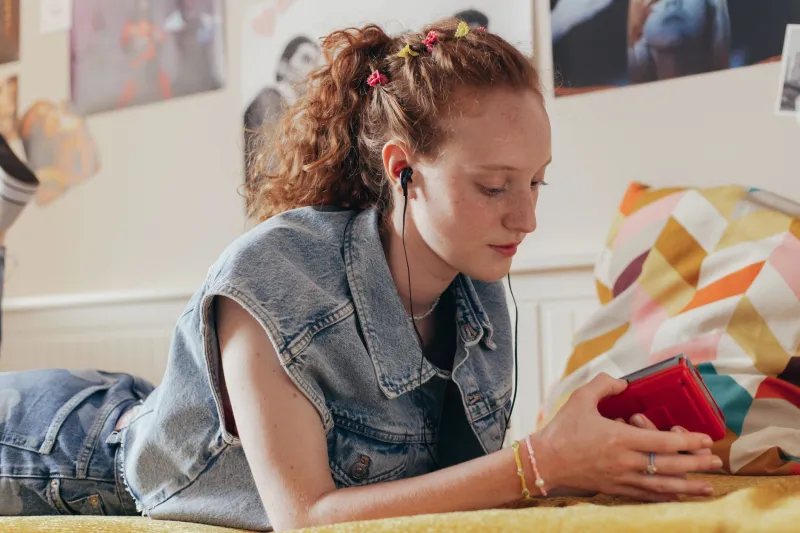
There's a particular kind of devastation that belongs exclusively to being sixteen. It doesn't matter that you'll survive it — in the moment, it feels absolute. And if you came of age in the '90s, you didn't process that feeling by journaling or talking it through with a therapist. You rewound a cassette until the tape went thin, and you let somebody else's voice carry the weight of everything you couldn't say out loud.
That's not an accident. The '90s happened to produce an extraordinary run of music that spoke directly to adolescent heartache — not in the polished, radio-safe way of the decades before it, but with a rawness that felt almost uncomfortably honest. Whether it was alternative rock, R&B slow jams, or pop ballads, something about the era's emotional frequency matched perfectly with the chaos of growing up.
The Specific Ache of Unrequited Love
Ask anyone who was a teenager between 1991 and 1999 to name a song that wrecked them, and the answers come fast. Creep by Radiohead. Glycerine by Bush. Iris by the Goo Goo Dolls. What those songs share is a willingness to sit inside humiliation rather than escape it. Thom Yorke wasn't offering hope when he sang about not belonging — he was just describing the feeling with surgical precision, and that validation alone felt like relief.
On the R&B side, Brandy's Have You Ever and Boyz II Men's End of the Road did something similar for a different audience. These weren't breakup songs that told you to move on. They lingered. They asked the same unanswerable questions that you were asking in your bedroom at midnight. That's a harder thing to write than it sounds, and the best '90s artists made it feel effortless.
Alanis Morissette's Jagged Little Pill deserves its own paragraph, honestly its own monument. That album arrived in 1995 and gave an entire generation of young women permission to be angry and confused and contradictory all at once. You Oughta Know wasn't just a breakup song — it was a declaration that the messy, irrational parts of heartbreak were worth expressing. For a lot of people, hearing Alanis scream through the bridge was the first time they felt genuinely understood by a piece of art.
Why the Format Made It Hit Harder
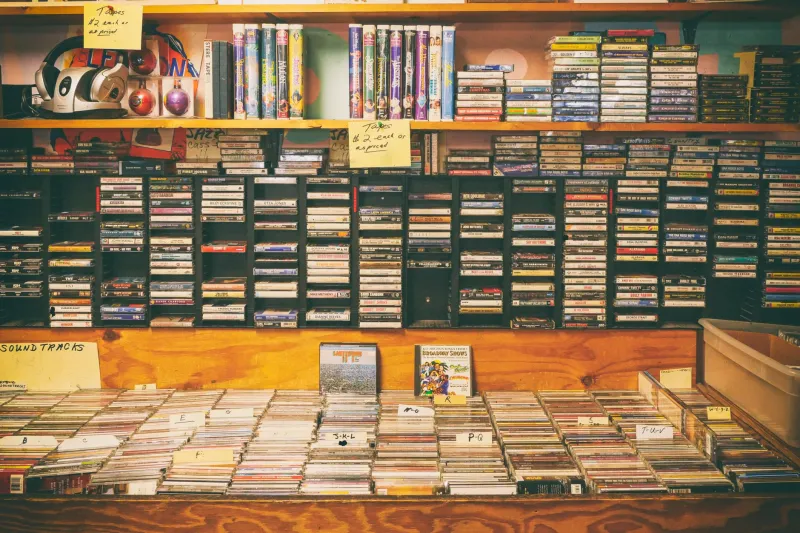
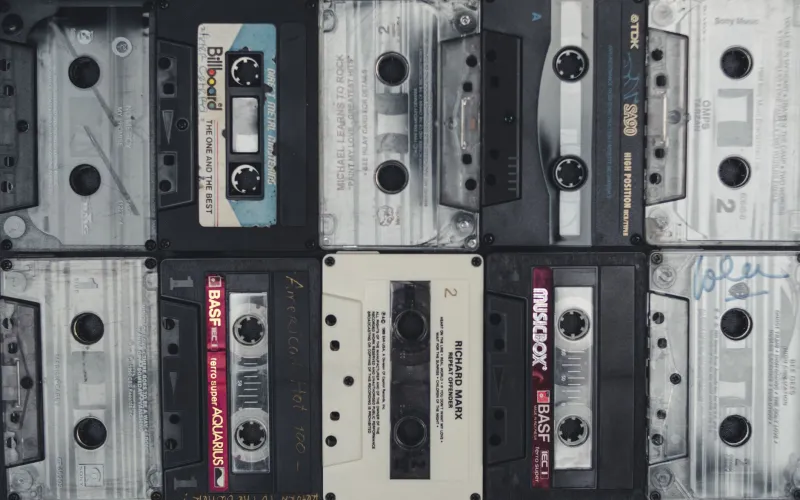
Part of what made '90s heartbreak music so potent was how you consumed it. When you made a mix tape for someone — or, more painfully, when you made one for yourself about someone — every track selection was a deliberate act. You sat with the songs. You chose them carefully. You wore out the specific 47-second stretch of Wonderwall right before the final chorus because that was the part that got you every time.
There was no algorithm curating your sadness. The emotional investment was entirely yours. When you finally worked up the nerve to give that tape to your crush and they never mentioned it, you knew they'd heard everything you couldn't say directly. That vulnerability didn't exist in a text message. It lived in the physical object, in the handwritten track listing, in the fact that you'd spent two hours getting the sequence exactly right.
Coming of Age in Three and a Half Minutes
Beyond straight-up heartbreak, '90s music had an unusual gift for capturing the specific limbo of adolescence — that in-between state where you're too old to be a kid and too young to know what comes next. Smashing Pumpkins' 1979 is essentially a love letter to that exact feeling, all suburban restlessness and the strange melancholy of nights that feel important but formless. Billy Corgan wasn't romanticizing youth — he was documenting its actual texture.
Same goes for Third Eye Blind's debut album, which remains one of the most accurate portraits of '90s American teenage life ever recorded. Motorcycle Drive By, Narcolepsy, How's It Going to Be — these weren't just radio songs. They were dispatches from the specific geography of growing up in late-20th-century America, where the stakes felt enormous and the endings were never clean.
Even pop acts got in on it. Hanson's MMMBop — often dismissed as bubblegum — is actually about the terrifying speed of time and how the people you love eventually disappear from your life. Written by teenagers, for teenagers, it landed harder than most people gave it credit for at the time.
What Made It Stick
The reason these songs still unlock something visceral when they come on the radio isn't just nostalgia, though that's part of it. It's that the emotional core of heartbreak doesn't actually change. The specific circumstances update — you're no longer passing notes in homeroom or waiting by a landline — but the feeling of wanting someone who doesn't want you back, or losing someone before you understood what you had, is permanent human territory.
'90s music just happened to map that territory with unusual honesty. The decade sat at a weird cultural intersection: pre-internet enough to be introspective, post-hair-metal enough to embrace vulnerability, and commercially successful enough to deliver those feelings through mainstream channels. You didn't have to go looking for music that understood you. It was already on TRL.
So yeah, maybe it's a little embarrassing that a Matchbox Twenty song can still make you feel seventeen. But that's the thing about music that actually gets it right — it doesn't expire. The tape might have worn thin, but the feeling it captured is still in perfect condition.
Some heartbreaks don't heal. They just become part of the playlist.