Selling You Your Own Childhood: How Brands Turned '90s Nostalgia Into a Billion-Dollar Business
Let's be honest with ourselves for a second. The moment you saw a Dunkaroos comeback announcement on Twitter, something happened in your chest. Maybe it was warmth. Maybe it was a dopamine hit so fast it scared you a little. Either way, you probably clicked the link, maybe even tracked down a box at Target, and paid $4.99 for a snack that cost 89 cents in 1997. General Mills knew exactly what they were doing. They always do.
Welcome to the '90s Nostalgia Industrial Complex — a sprawling, meticulously engineered machine that has spent the better part of the last decade turning your fondest childhood memories into quarterly earnings reports.
How We Got Here
The nostalgia marketing playbook isn't new. Brands have always leaned on sentimentality. But something shifted around 2012 to 2015 when millennials — the generation that grew up during the Clinton years, survived dial-up internet, and memorized every word of No Scrubs — started entering their late 20s and early 30s with actual disposable income.
That's the sweet spot marketers had been waiting for. Nostalgia, according to consumer psychology research, is most potent when people are around 25 to 35 years old. They're far enough from childhood to romanticize it, but young enough to still have emotional access to those memories. Add in the anxiety of adulting — student debt, housing costs, a general sense that the world got more complicated overnight — and suddenly a Surge soda or a Fresh Prince t-shirt isn't just a product. It's emotional armor.
Coca-Cola brought Surge back in 2014, initially as an Amazon exclusive. It sold out in hours. That wasn't an accident — it was a proof of concept that the '90s nostalgia market was real, hungry, and willing to pay a premium.
The Good, the Gimmicky, and the Genuinely Embarrassing
Not every nostalgia play lands. For every Dunkaroos win, there's a brand that completely misreads the assignment.
The successes tend to share a few things in common. They're specific, they're authentic to the original product or property, and they don't try too hard to be cool. When Reebok started re-releasing classic Classics silhouettes from the mid-'90s, sneakerheads and casual buyers alike responded because the shoes were just... the shoes. No reinvention, no unnecessary collab with someone who wasn't even born yet. Just the Freestyle and the Pump, back where they belonged.
Streaming services have played the nostalgia angle hard, too — sometimes brilliantly. Peacock reviving Saved by the Bell made genuine headlines, even if the results were mixed. Netflix landing Fuller House for five seasons proved that people would absolutely watch a continuation of something they loved as kids, even when the critical consensus was lukewarm at best. The viewership numbers didn't lie.
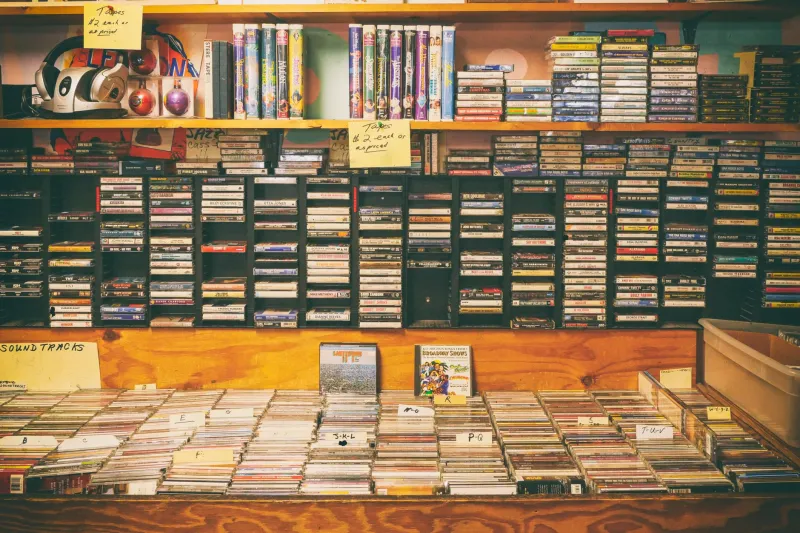
Then there are the misses. Remember when every fast food chain was releasing '90s-themed packaging for about six months in 2019? Or when brands started slapping cassette tape graphics on products that had nothing to do with music? That's nostalgia as wallpaper — surface-level aesthetic signaling with zero actual connection to the era. Consumers, especially millennials who lived through the decade, tend to sniff that out fast. The backlash on social media can be swift and unforgiving.
Fashion's Love-Hate Relationship With the Decade
Few industries have mined the '90s as aggressively — or as unevenly — as fashion. The resurgence of baggy jeans, platform sneakers, slip dresses, and windbreakers hasn't just been trend-driven. Luxury brands and fast fashion giants alike have explicitly referenced '90s hip-hop aesthetics, grunge styling, and sportswear culture in ways that range from genuinely cool to borderline exploitative.
Collaborations between legacy streetwear brands and contemporary artists have produced some genuinely exciting work. But there's a real conversation to be had about who benefits when, say, a major retailer sells a shirt with a Tupac graphic for $45 while the culture that actually created that aesthetic sees little of the profit. Nostalgia, at its worst, can be a kind of extraction — taking the cultural output of a specific community or era, packaging it for mass consumption, and leaving the originators behind.
At its best, though, fashion nostalgia can be a genuine act of preservation. Independent designers who grew up on '90s hip-hop and R&B are creating work that honors those influences with real knowledge and love. That's different from a corporation running a focus group and deciding that a TLC colorblock windbreaker will move units.
Why We Keep Buying In
Marketing experts who study generational consumer behavior point to something called "nostalgia as self-medication." When the present feels unstable or overwhelming, people reach backward for something that felt safe and joyful. The '90s, for many millennials, represent a pre-9/11, pre-financial-crisis, pre-everything-going-sideways era of relative optimism. Even if your actual childhood wasn't perfect, the cultural artifacts of the decade — the music, the movies, the snacks, the Saturday morning cartoons — carry an emotional charge that brands have learned to tap like a vein.
There's also a social dimension. Nostalgia is communal. When you share a meme about All That or argue about whether Biggie or Tupac had the better run, you're not just being sentimental — you're bonding with people who share your generational frame of reference. Brands understand this and design their nostalgia campaigns to be shareable, to spark exactly those conversations. The Dunkaroos comeback wasn't just a product launch. It was a social media event.
Genuine Celebration or Sophisticated Extraction?
The honest answer is: both, depending on who's doing it and how.
When a streaming platform revives a beloved property with the original creators involved and a genuine commitment to quality, that can be a real celebration of something that mattered. When a brand licenses a '90s hip-hop track to sell insurance and the artist's estate had no meaningful say in the matter, that's something else entirely.
The '90s nostalgia economy isn't going away. If anything, it's going to intensify as Gen Z discovers the decade through TikTok rabbit holes and starts developing their own retroactive attachment to an era they barely remember or weren't alive for. The cultural footprint of the '90s — the music especially — is enormous enough to sustain multiple waves of rediscovery.
For those of us who were actually there, though, the challenge is staying clear-eyed about what we're actually responding to. Sometimes a Dunkaroo is just a Dunkaroo. And sometimes it's a corporation charging you $4.99 to feel like a kid again for about thirty seconds.
Either way, they've already got your money.