Pick Up, It Might Be Important: The Weird Grief of Losing a World Where Phones Didn't Know Who Was Calling
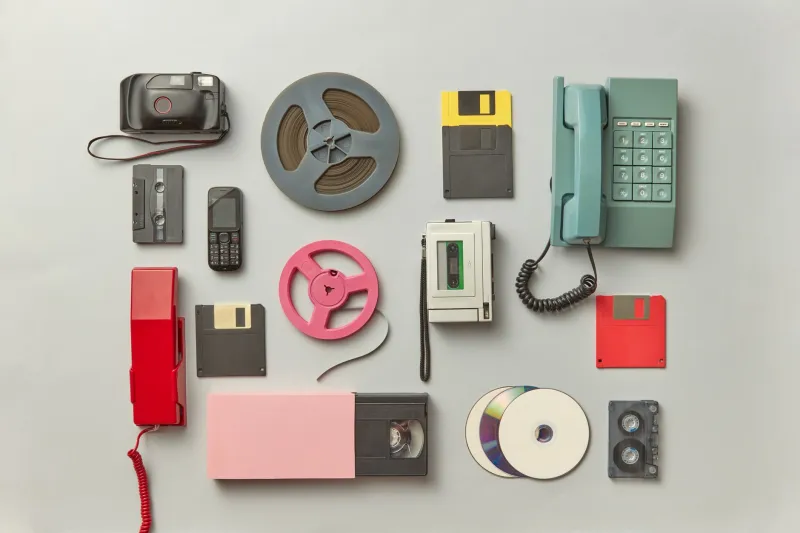
There's a specific kind of silence that used to live in a house. It happened right after the answering machine finished playing back its messages — that little click, the tape rewinding, the mechanical hum settling back into nothing. You'd stood there the whole time, maybe leaning against the kitchen wall, waiting to hear if it was for you. Sometimes it was. Sometimes it wasn't. Either way, you had to wait to find out.
That experience — suspenseful, ordinary, completely unremarkable at the time — is now basically extinct. And a surprising number of people are grieving it.
The Machine That Held Your Social Life Hostage
The answering machine was never just a device. It was a gatekeeper, a social archive, and occasionally a landmine. Your mom's outgoing message was a point of personal embarrassment. Your best friend's outgoing message was a tiny art project — sometimes featuring a song clip, sometimes a painfully rehearsed joke, sometimes just static and a dare to leave your number.
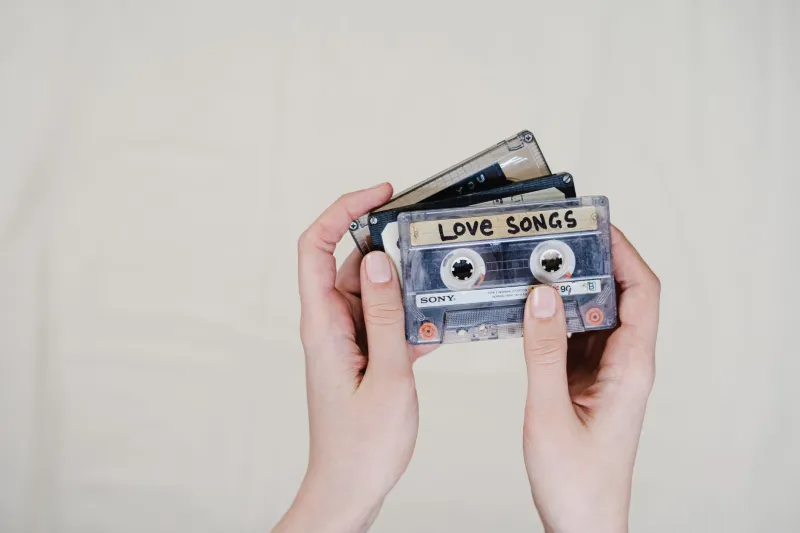
And the messages themselves? They were different. People thought before they spoke, because they knew they were being recorded and that someone would play it back, possibly more than once. You couldn't unsend a voicemail in 1996. You couldn't edit it in real time. What you said was what you said, and it sat on that tape until someone erased it — or didn't.
That's part of what makes the nostalgia so sharp. Those messages were artifacts. Proof that someone called. Proof that they thought about you long enough to dial, listen to the outgoing greeting, wait for the beep, and then say something out loud into the air of their own room. There was intention baked into every single one.
The Beautiful Anxiety of Not Knowing
Here's what instant communication quietly took from us: the possibility that you simply weren't reachable.
In the '90s, if someone called and you weren't home, that was just a fact of life. They'd try again. Or they wouldn't. Or they'd leave a message and you'd call back when you got in, whenever that happened to be. There was no read receipt. No typing indicator. No way to know if the other person was actively ignoring you or just genuinely at the grocery store.
That ambiguity sounds maddening from where we're sitting now. But it also created something that's hard to name — a kind of breathing room in relationships. You couldn't be expected to respond immediately because immediate wasn't a category that existed. Plans were made in advance. Conversations had a beginning and an end. And when someone did reach you, it meant something, because they'd actually had to work for it.
Prank calls fit into this ecosystem in their own chaotic way. They were annoying, sure, but they also reflected something real about the era: phones were anonymous enough that mischief was possible. You could dial a random number and ask if their refrigerator was running. You could call your crush and hang up before they answered. The phone was a space of genuine uncertainty, and that uncertainty gave it a kind of electric charge that a text message simply cannot replicate.
Why Hearing Someone's Voice on Tape Now Feels Like a Time Capsule
Somewhere in America right now, someone is cleaning out a parent's house and finding an old answering machine — maybe a GE or a RadioShack model, chunky and beige — and pressing play on a tape that hasn't moved in twenty years. And what comes out is a voice. Maybe their grandmother's. Maybe their own, at age fourteen, asking if they can spend the night at a friend's house.
The emotional weight of that moment is almost impossible to overstate. Voice recordings from the '90s have become something close to sacred, precisely because so few of them survived. We didn't think to save them. Why would we? At the time, they were just messages.
But a text from 2003 doesn't carry the same freight. You can read the words, but you can't hear the person. The warmth, the nervousness, the specific cadence of how they talked — that's gone. Voicemails captured something that written communication never quite does, and we didn't realize what that meant until the format disappeared.
The Ritual of Checking In
There was also a communal quality to the answering machine that tends to get overlooked. In a household with multiple people, the machine belonged to everyone. You'd come home and check it together, or separately, or argue about who was supposed to call back the plumber. The blinking light was a shared object of attention.
That's just not how communication works anymore. Every person in a household now has their own device, their own inbox, their own invisible stream of messages that no one else sees. Which is fine, obviously. Privacy is good. But something was lost in the transition — the sense that communication was, at least partially, a household event. A thing that happened in shared space.
What the Limitation Actually Gave Us
It's tempting to frame '90s communication technology as primitive — something we've improved on. And in pure functional terms, sure, we have. But function isn't the whole story.
The constraints of that era — no caller ID on every phone, no texting, no way to fire off a quick message at midnight without actually calling someone and waking their entire family — those constraints shaped how people related to each other. They made communication feel like it had stakes. A phone call was an event. A voicemail was evidence. Even a missed call meant something, because it meant someone had tried.
Now, the barrier to reaching someone is so low that the act itself has been devalued. We send dozens of messages a day without thinking much about any of them. The ease is real, but so is the numbness that comes with it.
The Tape Is Still Running
Maybe that's why the nostalgia hits so hard. It's not really about answering machines or cassette tapes or the specific sound of a dial tone. It's about what those things represented: a version of human connection that required just enough effort to feel like it meant something.
The '90s didn't have better technology. But they had a communication culture that, in its clunky, limited, occasionally maddening way, forced people to be present and deliberate in ways that our current setup simply doesn't demand.
So if you find yourself randomly missing the sound of a tape rewinding, or the specific social tension of waiting to see if someone would actually leave a message — you're not being irrational. You're mourning something real. Something that mattered more than we knew, right up until the moment it stopped.
The machine beeped. We just forgot to save what came after.